Still Waiting: Garfield Heights Residents Deserve Answers on the Missing City Audits

In March 2025, I wrote about a troubling fact: the City of Garfield Heights had not released a financial audit since 2021. In April 2025, I wrote again when the delays sparked public demand for answers.
It’s now April 2026. Where are the audits?
The 2021 audit was finally released in February 2025 — more than three years late. The audits for 2022, 2023, and 2024 remain missing. Three full years of financial records that residents have every right to see — and that city leadership has an obligation to produce.
This isn’t a paperwork problem. This is an accountability crisis.
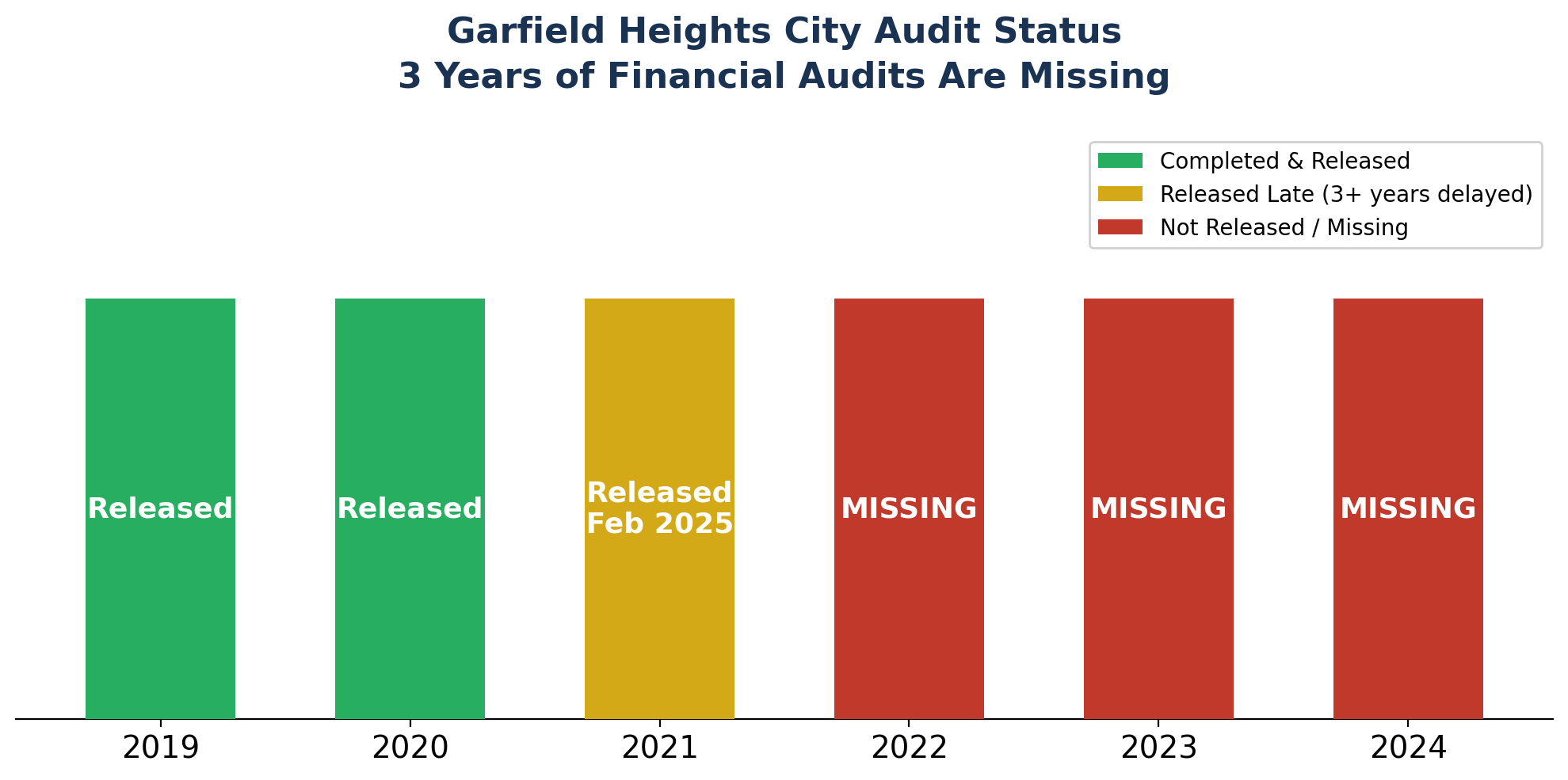
Figure 1: Three years of city financial audits have not been released
What State Law Requires
Under Ohio Revised Code §117.38, every municipality must file annual financial reports with the Ohio Auditor of State. Failure to file on time carries a penalty of $25 per day, up to $750 per year.
But the real penalty isn’t the fine. It’s what happens when a city operates for three years without anyone independently verifying where the money went.
What the Last Audit Found
When the 2021 audit was finally released, the Ohio Auditor of State issued $38,450.52 in findings for recovery against the city’s fiscal officer for late retirement system payments over a three-year period. The person responsible was held personally liable for the penalties.
If that’s what one audit found, what are the missing audits hiding?
Why It Matters Now More Than Ever
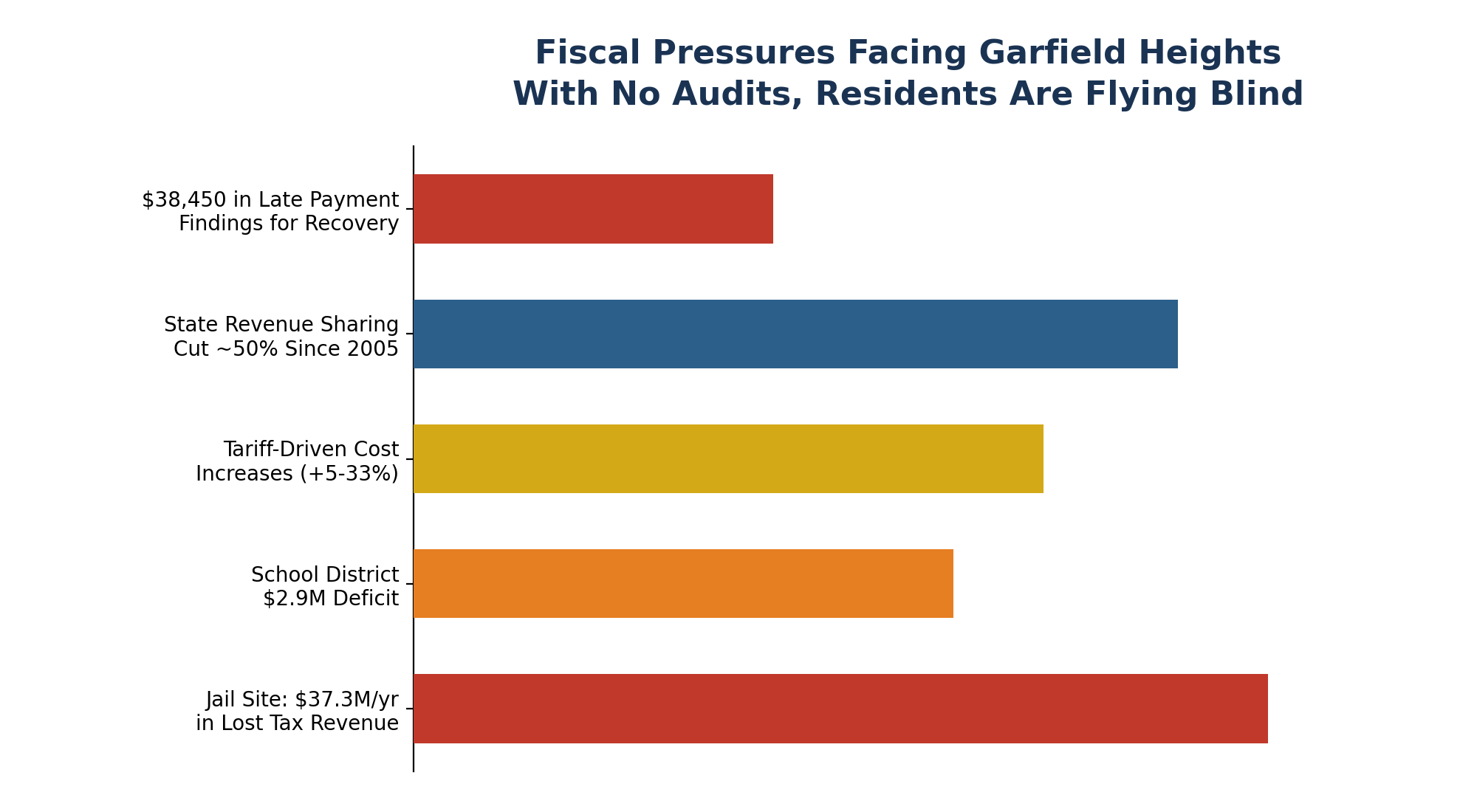
Figure 2: Multiple fiscal pressures — and no audits to verify how they’re being managed
- The jail site — 72 tax-exempt acres costing $37.3M/yr in lost property tax. No PILOT agreement.
- Tariff inflation — Steel up 20.7%, aluminum up 33%. Every city contract costs more.
- School deficit — $2.9M budget shortfall in Garfield Heights City Schools.
- State revenue sharing — Cut nearly in half since 2005. Ohio’s flat tax costing $1.7B more statewide.
How can the city plan for lost revenue if it can’t account for the revenue it has? How can residents trust that their tax dollars are being spent wisely when no one is checking?
The Thread That Ties It All Together
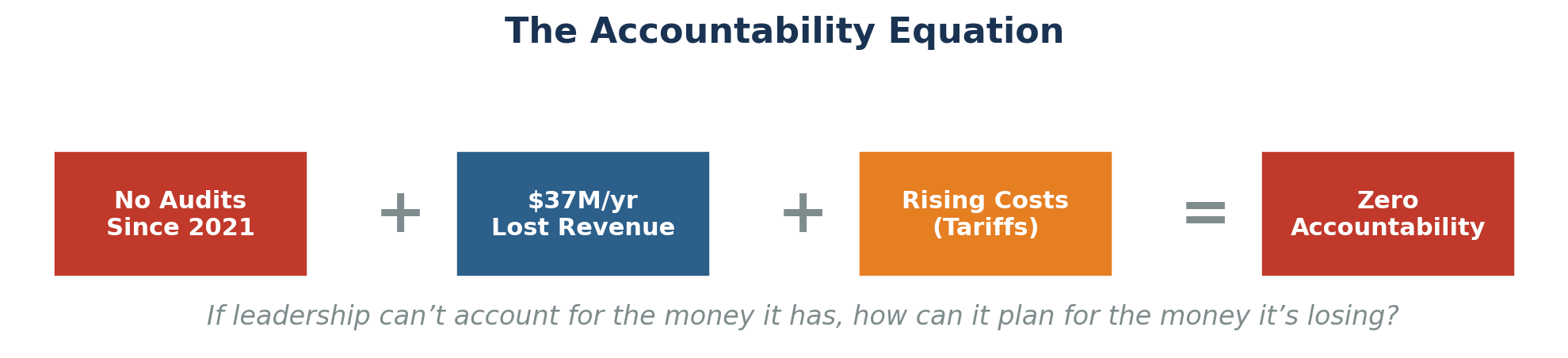
Figure 3: No audits + lost revenue + rising costs = zero accountability
Over the past year, I’ve laid out the fiscal challenges facing Garfield Heights:
- The jail site costs $5.6M/yr in lost city revenue
- Council reduction (7 to 5) would save $30K–$50K annually
- Tariffs cost families $1,400+/yr in higher prices
- YoungMilitary.org launched to invest in youth during budget pressure
- The municipal court generates $3M/yr — an asset, not a burden
- Three years of audits are missing (this article)
Every one of these comes back to the same question: Is the city managing its money responsibly? Without audits, we don’t know.
What Needs to Happen
- Release the audits — Produce the 2022, 2023, and 2024 financial audits. No more delays.
- Public budget hearings — Open hearings where residents can review the budget and ask questions.
- Independent financial review — Given the $38,450 in findings and 3 years of missing audits, an independent review is warranted.
What You Can Do
- File a public records request for the 2022–2024 financial audit reports
- Attend city council meetings and ask — on the record — when the audits will be released
- Contact the Ohio Auditor’s office (1-800-282-0370) about Garfield Heights audit status
- Share this article — the more residents who know, the harder it is to ignore
The jail site. The council size. The tariffs. The youth programs. The audits.
These aren’t five separate issues. They’re five faces of the same question:
Is our city government being honest with us about the money?
Garfield Heights deserves better than words. We deserve the numbers.
Sources: Ohio Auditor of State (ohioauditor.gov), Ohio Revised Code §117.38, City of Garfield Heights, Policy Matters Ohio, U.S. Census Bureau.

Use your browser's "Save as PDF" option when the print dialog opens
